

Celtic were left with more questions than answers, but Martin O’Neill has now put the focus exactly where it belongs. This is no longer just about one decision, it is about what VAR is doing to referees.
The Hibs equaliser against Celtic immediately became the talking point, with the handball incident sparking debate around how the goal was allowed to stand.
There was frustration, but there was also a sense that this situation has been seen by Celtic before. The VAR discussion did not take long to move beyond the decision itself.
That is where O’Neill’s verdict matters. The Celtic manager’s reaction did not centre on outrage, it exposed a deeper issue that continues to affect the game.
Do you agree with Mark Clattenburg on Hibs’ goal against Celtic?

The incident mattered, but O’Neill’s verdict carries weight
When Martin O’Neill labelled the equaliser “pretty contentious” and agreed with Gavin Strachan’s view, he made it clear that the decision was not straightforward. He also admitted his own bias, but still backed the assessment without hesitation.
The Celtic manager said, “Gavin [Strachan] thought it was pretty contentious, the equalising goal. He thought that was the case.
“Naturally, I’m pretty biased, and without even saying it, of course I agree with him. But it is what it is.
“Whatever VAR is going to come up with, it’s going to happen. And it worked for us in one aspect. It didn’t work the other way.
“And I suppose I would have probably, the truth is, I probably would have a different opinion and different answer to you had we lost the game.”
That is not an emotional reaction, it is a measured one from someone who understands the game at the highest level.
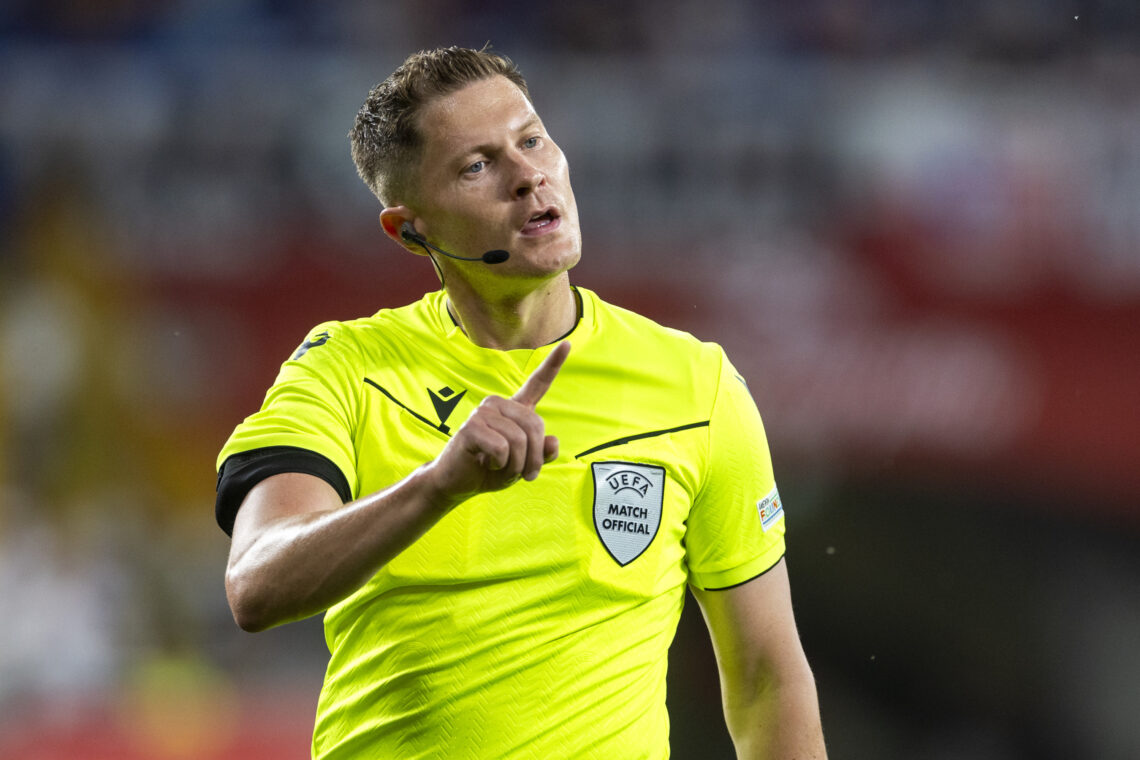
VAR is no longer supporting referees, it is replacing them
O’Neill’s most important point moved well beyond the incident itself. His concern was not just about the call, but about what VAR is doing to the role of the referee.
He continued: “Way back when it was introduced for the World Cup in 2018 I thought it was a really good thing. Even now what six or seven years on, I really don’t know. I genuinely don’t know whether it’s a good thing or a bad thing. What I think it has done is it has stopped referees from refereeing properly.”
That is the central issue. The system was introduced to support officials, but the reality now is that the video referee is causing more high-profile debates than ever.
The Hibs equaliser becomes part of a wider pattern. The frustration is not just the outcome of the VAR decision, it is the process behind it.
Celtic are not alone in facing these moments, but the consistency of the problem is becoming harder to ignore. When the focus moves from decisions to the system itself, the conversation changes.
The debate around VAR will continue, but O’Neill has made one point clear. The real concern is not just what decisions are made, it is who is making them.
Receive a digest of our best Celtic content each week direct to your mailbox