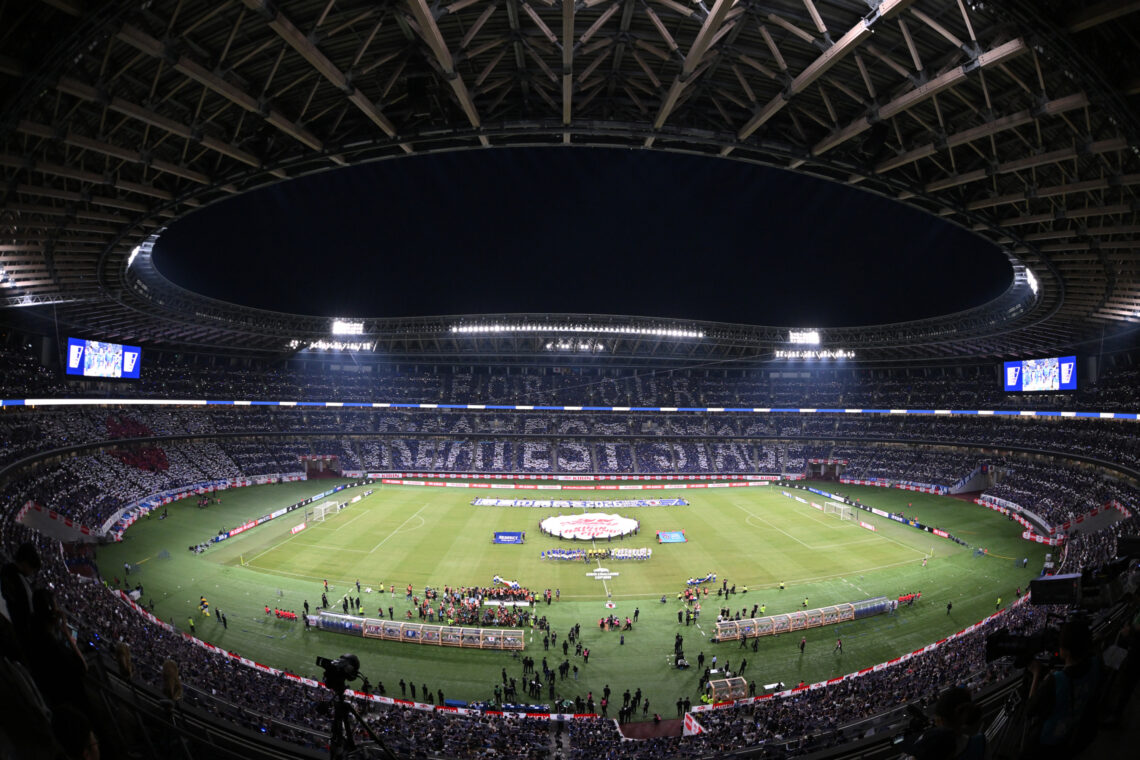


FIFA’s new substitution rule has wasted little time making its presence felt after a remarkable incident involving Japan and Iceland.
Celtic forward Daizen Maeda was an unused substitute as Japan benefited from the regulation, which punishes players who take too long to leave the pitch when substituted.
It was a remarkable situation which proves FIFA are not paying lip service to a time-wasting tactic that has annoyed Celtic supporters for years.
As FIFA prepare to introduce two big VAR rule changes, should Scotland still continue with the controversial technology?
Celtic’s Daizen Maeda witnesses new FIFA rule in action
The incident occurred when Iceland’s Hlynsson took longer than the permitted 10 seconds to leave the field after being substituted.
Under FIFA’s new rule, the incoming replacement must then wait one full minute before being allowed to enter the pitch.
That left Iceland temporarily short of a player and Japan took advantage by scoring what proved to be the winning goal during the enforced delay.
It is exactly the sort of situation FIFA had in mind when introducing measures designed to reduce time wasting and speed up the game.
While Maeda did not feature in the match, the Celtic attacker had a front-row seat as the regulation produced an immediate consequence.
Celtic’s opponents may need to adapt quickly
Celtic may finally benefit from FIFA’s crackdown on time wasting
Celtic supporters are all too familiar with opponents looking to run down the clock when protecting a result.
Slow walks to the touchline have become one of the most common time-wasting tactics in modern football, particularly against teams expected to dominate possession and territory.
FIFA’s new rule is designed to tackle exactly that problem.
The Japan-Iceland incident showed just how costly those delays can now become. What might once have been a harmless attempt to waste a few seconds instead left a team temporarily short-handed and vulnerable.
That is something Celtic fans have long wanted to see addressed. Martin O’Neill’s side regularly faced this tactic this season as his opponents tried to disrupt the tempo of matches, especially in domestic competition where every minute can feel significant.
Players will now have a strong incentive to leave the pitch quickly when substituted. The risk of leaving their team with one fewer player for a crucial period could outweigh any benefit gained from delaying the restart.
Although Daizen Maeda remained on the bench for Japan, he witnessed first-hand how swiftly the punishment can be applied.
If this incident is anything to go by, football may finally be taking a meaningful step towards eliminating one of the game’s most frustrating tactics.
Receive a digest of our best Celtic content each week direct to your mailbox