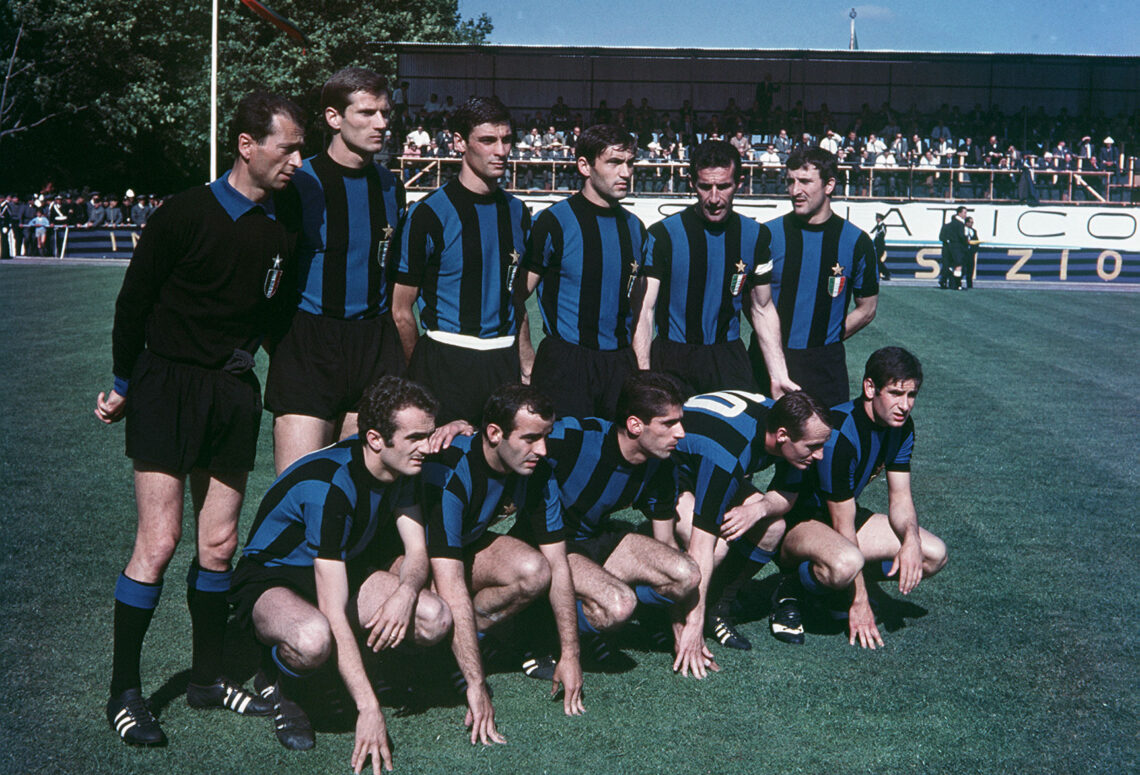


Celtic were ‘very likely’ facing a doping Inter Milan in the 1967 European Cup final…
…That’s according to Irish sportswriter and author Richard Fitzpatrick, who has just published a biography on the legendary then-Inter boss Helenio Herrera.
The story of Jock Stein’s Lisbon Lions is told anywhere you’ll find a Celtic fan, with the team’s ‘pure, beautiful, inventive football’ making it a classic romantic football story.
Herrera’s ‘Grande Inter’ team had dominated European football as pioneers of the ‘catenaccio’ style of defensive football, but they were dismantled by an attacking Celtic team on the day.
Fitzpatrick’s context, along with the famous fact that the Hoops team was made up of players born within a 30-mile radius of Celtic Park, makes the achievement even more impressive.
Mick McCarthy’s brilliant story about Billy McNeill
Celtic faced a doping Inter Milan in Lisbon
Widely recognised as one of the greatest managers of his era, Herrera also managed Barcelona and Atletico Madrid.
However successful, his style of football was not universally adored, with many neutrals rooting for Celtic in that final in May.
READ MORE: Jose Mourinho to Celtic ‘not ruled out’ by panel as insider Darren O’Dea weighs in
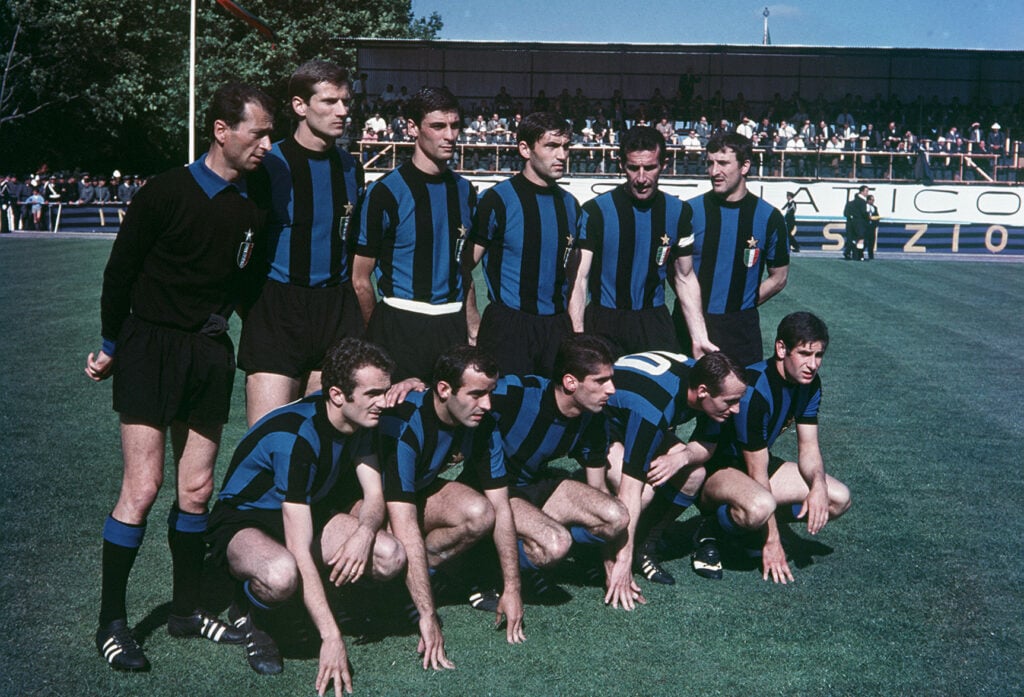
Speaking to The Herald, Fitzpatrick laid out the context of doping in that era, and why he’d be ‘amazed’ if Inter weren’t doing it.
He said: “Doping had always been there in football, going all the way back to the 1920s,” said Fitzpatrick. “It was endemic.
“When Herrera got to Italy in 1960 it was already widespread. They were all at it, all the big clubs.
“Inter were involved in doping long before he arrived. But he upped the ante. There were drug busts in Italy in early 1962 and different clubs were caught.
“The levels of the Inter players, though, were way ahead of anyone else.
“The authorities brought in controls in Italian league football after that, but not in European football. It was like the Wild West in Europe.
“All the big clubs, including the great Real Madrid team, were doping in the 1960s because there were no controls. They could do whatever they liked.
“Did Inter dope when they played Celtic in the European Cup final in 1967? I don’t know for certain about that specific match.
“But if I was to hazard a guess I would say it was very, very likely. I’d be amazed if they weren’t in fact. As I say, doping was common practice.
“There was a big problem with burnout. Gianni Brera, the famous Italian football journalist of the 1960s, reckoned the reason that Inter lost to Real Madrid in the European Cup semi-final in 1966 was their players were overcooked on amphetamines.
“After the loss to Celtic in the 1967 final, Herrera complained that the Inter doctor hadn’t given the players the right medication.
“One of his excuses for the defeat was that his players had been totally flat. But that would have been from burnout due to amphetamine use. All the evidence suggests it would have been due to doping.”
When Celtic became the first British side to win the European Cup
More context on the Inter team that lost to Celtic’s Lisbon Lions
Midfielder Luis Suarez, who had won a Ballon D’Or earlier in that decade, was ruled out of the final due to injury. Along with Herrera, he was one of the main figureheads of that Inter team.
They had been well on course for a treble, but suffered a remarkable collapse. They lost the Coppa Italia semi-final and missed out on the Serie A title to Juventus before the final in Lisbon.
Despite Inter leading for much of the first-half, there was only one team on the pitch that day. Celtic had a ridiculous 42 shots on the day, as well as ten corners to the Italians’ zero.
The Nerazzurri’s next European Cup final came in 1971 against Ajax, a year after Celtic had faced Feyenoord in Inter’s own home. Both teams lost their next final.
In fact, Inter’s wait for another European crown would last 45 years, until Jose Mourinho led them to glory against Bayern Munich in Madrid in 2010.
Receive a digest of our best Celtic content each week direct to your mailbox