

Celtic supporters, wherever you are and wherever you’re from: we can agree on this: This season’s been rubbish.
We could’ve had the glory of 10IAR. Every glance at the league table is a painful reminder of what might’ve been, even as we’re stuck at home and away from Paradise.
Fingers are, rightly, being pointed everywhere. Neil Lennon is the obvious figure of ire, given his lackadaisical approach to in-game management. We figured out our brightest talents, David Turnbull and Ismaila Soro, were in fact decent players, far too late. A system was found to pick up results, but only after December began.
Equally, the board have much of the blame upon their shoulders. They took 10IAR for granted, and kept a manager in place well after the league looked lost. Perhaps most devastatingly, they sanctioned a disastrous trip abroad, which lost us four vital points and the respect of the football community at large.
However, Nick Hammond is also receiving the brunt of criticism. To me, that doesn’t seem entirely fair. Our transfer guru has a job that’s predicated on informed risks.
Let’s look at how Hammond has helped, or hindered, this season and whether the flak he’s taking is entirely justified.
Nick Hammond: a job predicated on risk
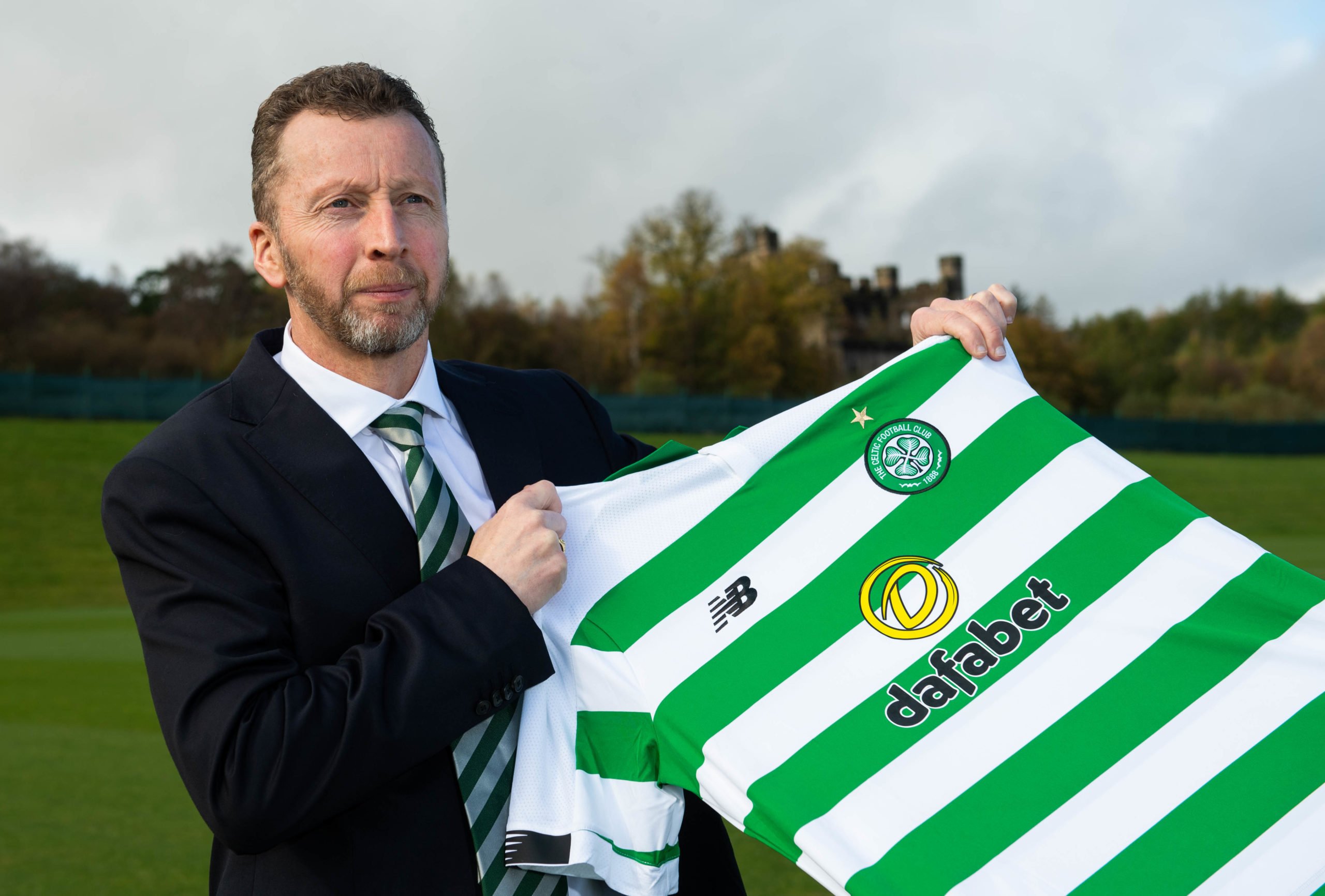
When Nick Hammond arrived at the club as Head of Football Operations in 2019 [Celtic FC], it was largely met with a shrug. When we collectively figured out what that job title actually meant, our interest piqued.
Since John Park, Celtic had made ill-advised signings under the auspices of Lee Congerton. Not the most popular figure around Kerrydale Street, supporters were justifiably delighted when the recruitment guru left Celtic Park.
Still, the club had made some positive moves. Our transfer activity seemed to be a combination of young talents, and older players with something to prove. Think Odsonne Edouard and Scott Sinclair, specifically.
From October 2019 onwards, we saw good and bad from the club. Patryk Klimala and Ismaila Soro came in [BBC], while fan favourite Scott Sinclair departed.
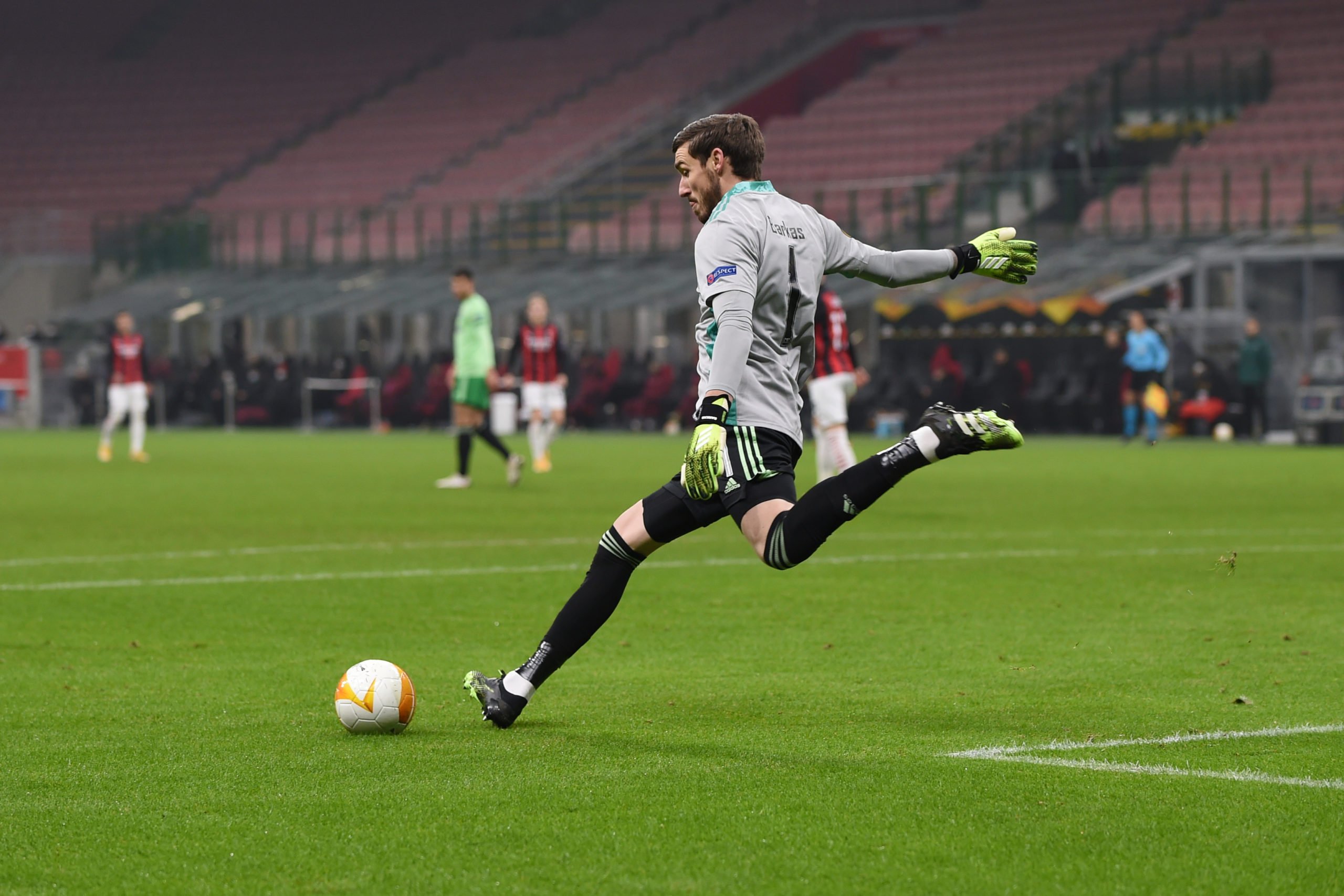
In the summer is where it gets more interesting. Looking at individual signings, it’s hard to fault the logic. Vasilis Barkas, for example, came from Greece and had a thirst for knowledge. At £4.5m, an international goalkeeper with 81 clean sheets in 152 professional outings seemed like good business [Transfermarkt].
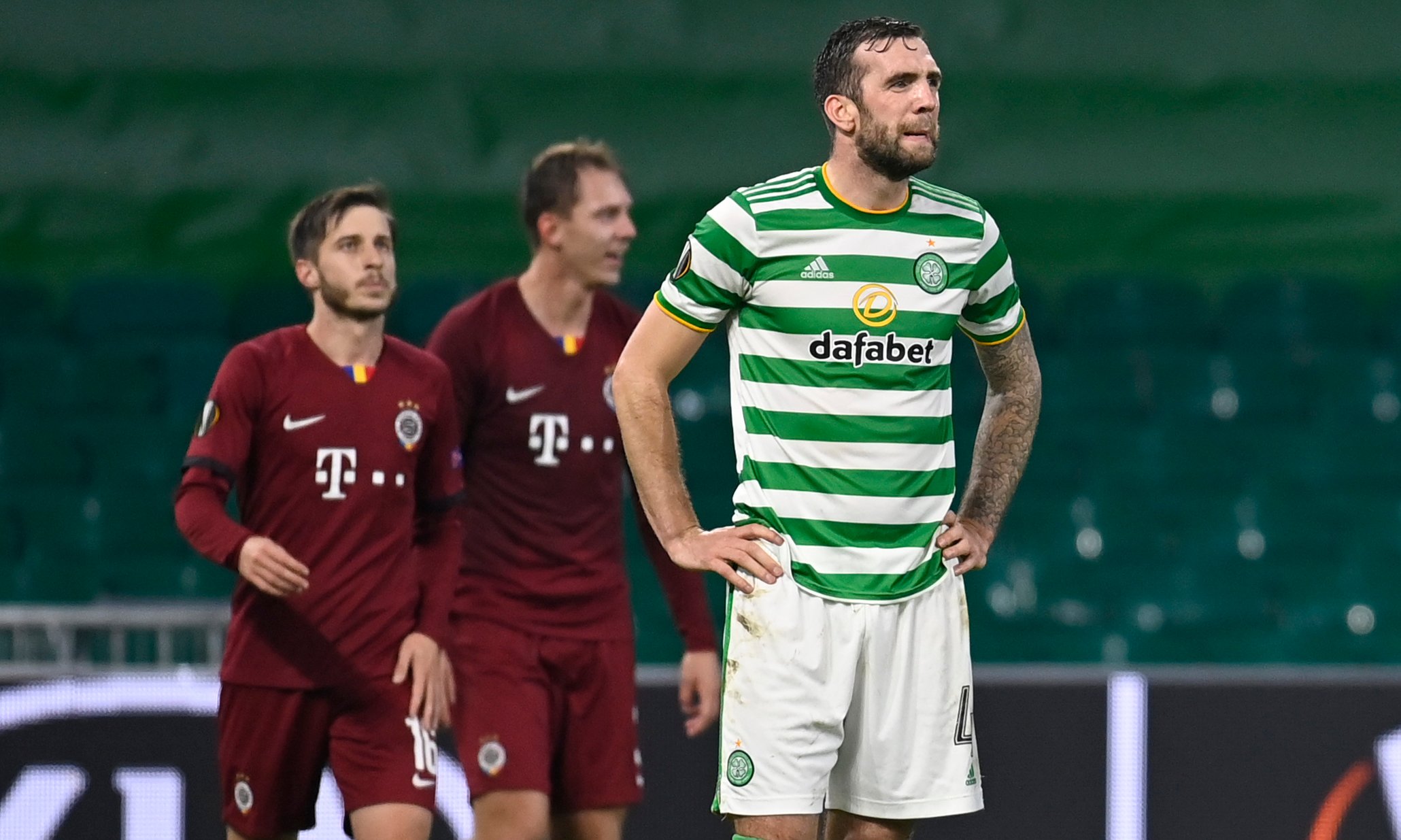
Shane Duffy, a veteran in the Premier League, also sounded like a good investment. At a reported £2m loan fee [Sky Sports], nobody could’ve predicted the absolute disaster the Irishman has had in Glasgow. Albian Ajeti was an educated punt, with scoring pedigree in mainland Europe, but £5m was steep for the production we’ve got from him [Sky Sports].
Diego Laxalt was an ambitious bit of business, but he’s flattered to deceive. Again though, on paper: international player, at a big club in Europe, positionally versatile. It made absolute sense. Retaining Elyounoussi and signing David Turnbull probably can’t be credited to Hammond, but for all intents and purposes, these deals looked good.
Can Hammond be blamed for what came next?
I’ve complained about recruitment before, at length. However, that’s with the benefit (or detriment) of hindsight. When the window closed for the start of the 20-21 season, I was convinced Celtic had done well.
That’s down to Hammond, ultimately.
There are still criticisms; our signings were scatter-gun in terms of profile. In January, two young talents were signed and have been, Soro aside, largely ignored. In the summer, however, there seemed to be a sudden focus on both big names and resale value.
Barkas, for example, would’ve been expected to build on his momentum and move on for a profit. By any stretch of the imagination, he was the kind of informed target that made sense for Celtic Football Club. The fact he’s struggled is no fault of Nick Hammond.
Will he have time to repair his reputation? Frankly, it’s unclear. A sad situation arises here, in which Hammond’s time at Celtic might end up being a blot on his CV. Additionally, it’s also uncertain what his remit was, what kind of contact he had with Neil Lennon, and how much information he had about what the squad needed.
It’s one thing to identify problems yourself, but that’s muddied when there are different expectations either at board level or from the manager. Looking forward, if we’re to believe reports that Celtic are looking at 3 Scotland internationals, then it’s obvious his job has changed dramatically.
Ultimately, though, is the anger directed at Nick Hammond fair? I would argue not. There were hundreds of thousands of possible combinations to make Celtic work this season, and he’s not responsible for that. His job is to identify the right kind of players, not to coach or develop them.
If you ask me, he can’t be blamed for this season’s disappointment.
READ MORE: We caught up with film-maker Jamie Doran, who’s leaving the bullets and bombs of war zones to take the pulse of the Celtic support.
Receive a digest of our best Celtic content each week direct to your mailbox