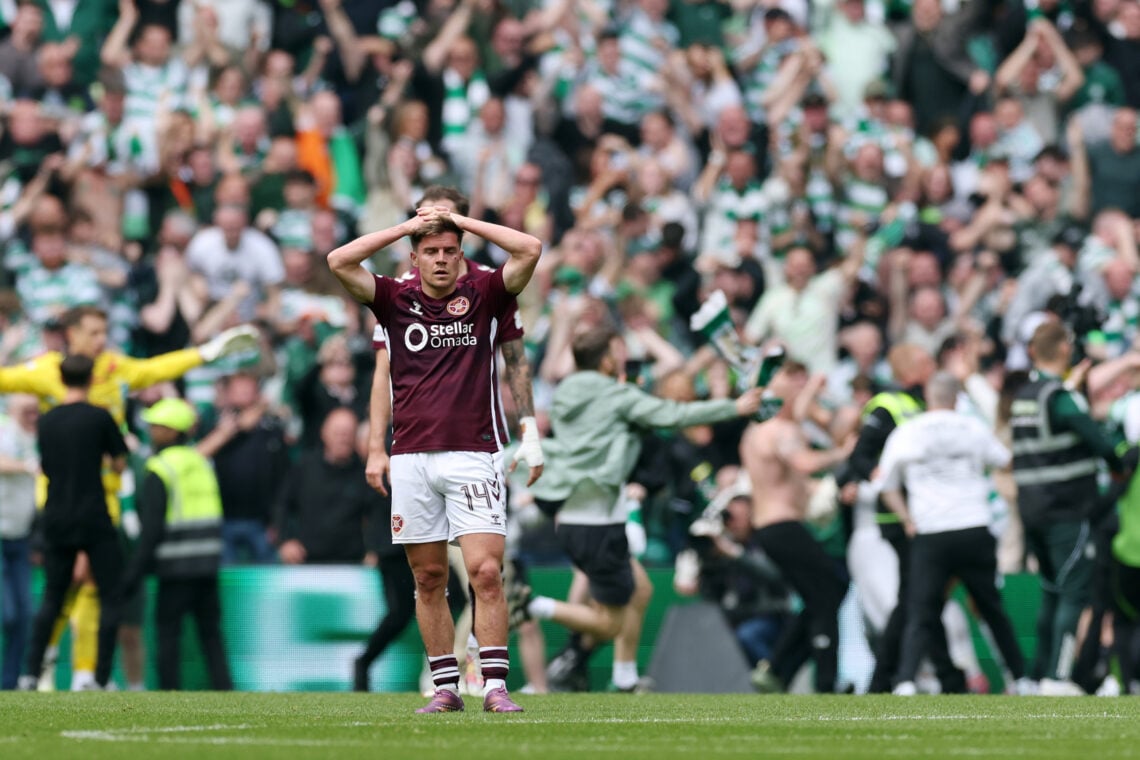


Celtic deserved criticism for the pitch invasion against Hearts. That much is beyond dispute. What is becoming harder to understand is why Hearts have escaped similar scrutiny for the way they handled the fallout.
But if Scottish football is serious about accountability, there is another question worth asking. Should Hearts themselves face scrutiny from the Scottish FA for the way they handled the fallout?
That may sound controversial at first. Yet when the timeline is examined, there is a credible argument that Hearts’ public conduct deserves the same level of examination they have demanded elsewhere.
The issue is not one statement or one allegation. It is the cumulative effect of weeks of escalation. Hearts questioned the handling of the match, criticised those who challenged their version of events and continued to raise concerns even after official clarifications emerged.
Taken individually, each intervention may be understandable. Together, they raise a legitimate question about whether the club’s conduct deserves scrutiny of its own.
Should Celtic demand an apology from Hearts?
Let is know in the comments below 👇

Hearts escalated the controversy beyond the available evidence
No one disputes that Hearts had every right to condemn what happened at Celtic Park. The club’s players and staff should never have found themselves in that situation.
The problem is what followed.
Hearts repeatedly raised the temperature of the debate through public statements and criticism of the wider handling of the incident. Tony Bloom went further by claiming Hearts players had been assaulted during the celebrations.
That allegation quickly became one of the central talking points of the entire controversy.
However, subsequent Police Scotland findings failed to publicly substantiate those claims. No publicly announced charges relating to assaults on Hearts players have emerged.
At the same time, the SPFL confirmed the match had ended and had not been abandoned. No governing body publicly stated that control of the fixture had been lost.
That leaves Hearts in an awkward position. The club continued to escalate the issue despite several key elements of its argument becoming increasingly difficult to support.
The Scottish FA rules create an uncomfortable question
This is where the debate becomes interesting.
The argument is not that Hearts are guilty of misconduct. Nor is it that they knowingly made false claims.
Instead, the question is whether their conduct merits investigation under the same standards applied elsewhere in Scottish football.
The Scottish FA rulebook states that clubs, officials and recognised football bodies must not bring the game into disrepute and are expected to act in the best interests of football.
Based on the available evidence, there is a reasonable argument for examination because:
- Hearts publicly promoted serious assault allegations.
- Those allegations have not been publicly substantiated.
- The club repeatedly escalated its criticism after official clarifications emerged.
- The SPFL confirmed the match was completed rather than abandoned.
- No authority publicly supported suggestions that officials lost control of the fixture.
- The public campaign shifted attention away from established facts and towards increasingly disputed claims.
Hearts were right to criticise the pitch invasion. Celtic were right to apologise for it.
But accountability cannot operate in only one direction.
If Hearts believe standards matter in Scottish football, they should have no objection to the Scottish FA examining whether their own conduct met those same standards.
Receive a digest of our best Celtic content each week direct to your mailbox