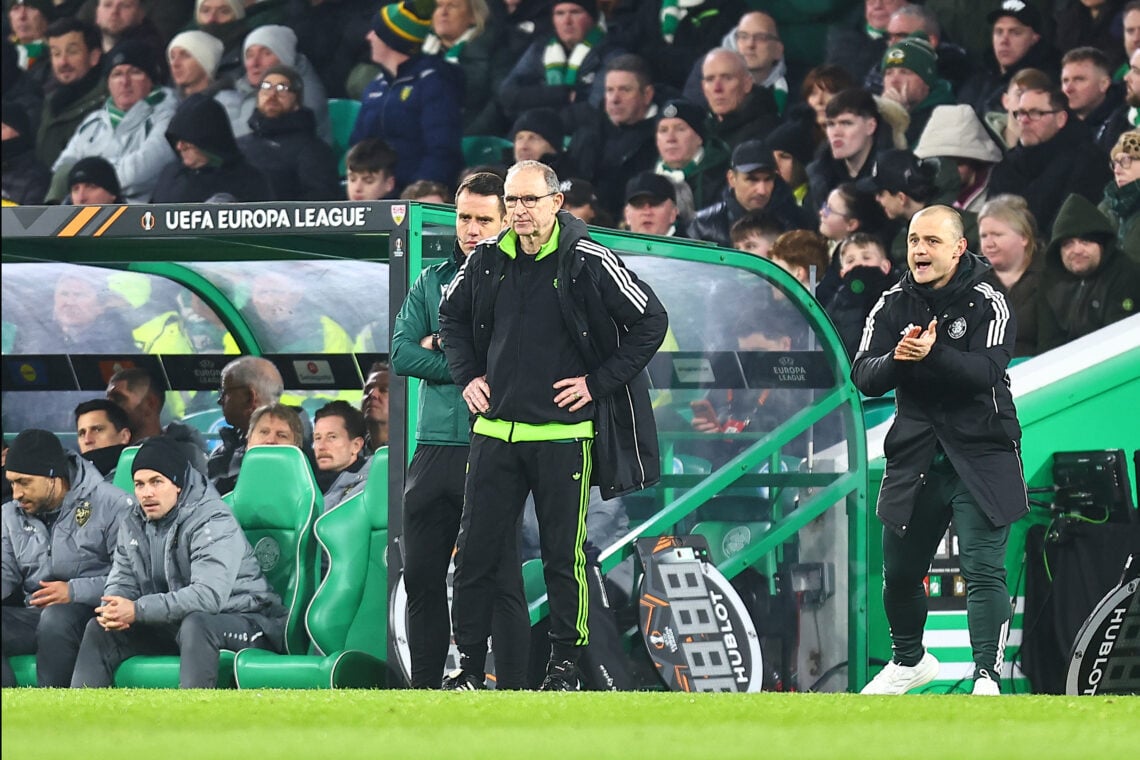


Martin O’Neill’s Celtic sides have always made one thing clear when the season reaches its decisive stretch. They win, repeatedly.
In the five years O’Neill was in charge during his first spell at the club, Celtic won three league titles, with a familiar pattern emerging in all of those.
Celtic won 22 of their final 25 matches and did not draw any. That record is not a coincidence, it is a pattern that defines how title-winning teams behave when it matters most.
There’s four games to go – rate Celtic’s chances of winning the title out of 🔟

Martin O’Neill is an expert when it comes to the end of the season
Celtic’s title wins in 2001, 2002 and 2004 all followed the same script. Each was closed out with five consecutive victories, removing any doubt before the final whistle of the campaign.
When the Hoops were in control, they did not leave space for rivals to recover.
So far, the Irishman is one from one after the Bhoys beat Falkirk in the first fixture of the post-split campaign. If he can repeat those three previous seasons from over two decades ago, the Scottish Premiership title will remain at Celtic Park.

When Celtic faltered, the pattern was just as clear
The two seasons that ended without the title follow a different line, but the difference is precise rather than complex. In 2003, Celtic still won four of their final five matches but lost once, a result that proved decisive in a title race settled on goal difference.
By 2005, the drop was sharper. Three wins and two defeats, including a late collapse that handed the title away, marked a clear break from the standard set in previous years.
Will Celtic win one trophy or complete a domestic double? 🏆
The SPFL and Scottish Cup are up for grabs. LET US KNOW

There are no draws to soften those outcomes and no gradual decline. The shift from perfect finishes to defeat-driven runs directly aligns with the loss of the title.
That is the defining point. Celtic under O’Neill did not fail because they lacked consistency, they failed because defeats entered the run-in.
The conclusion is straightforward. When Celtic hold a strong position late in the season, history shows they are built to finish the job, and the only evidence of failure comes when that winning sequence is broken.
Receive a digest of our best Celtic content each week direct to your mailbox