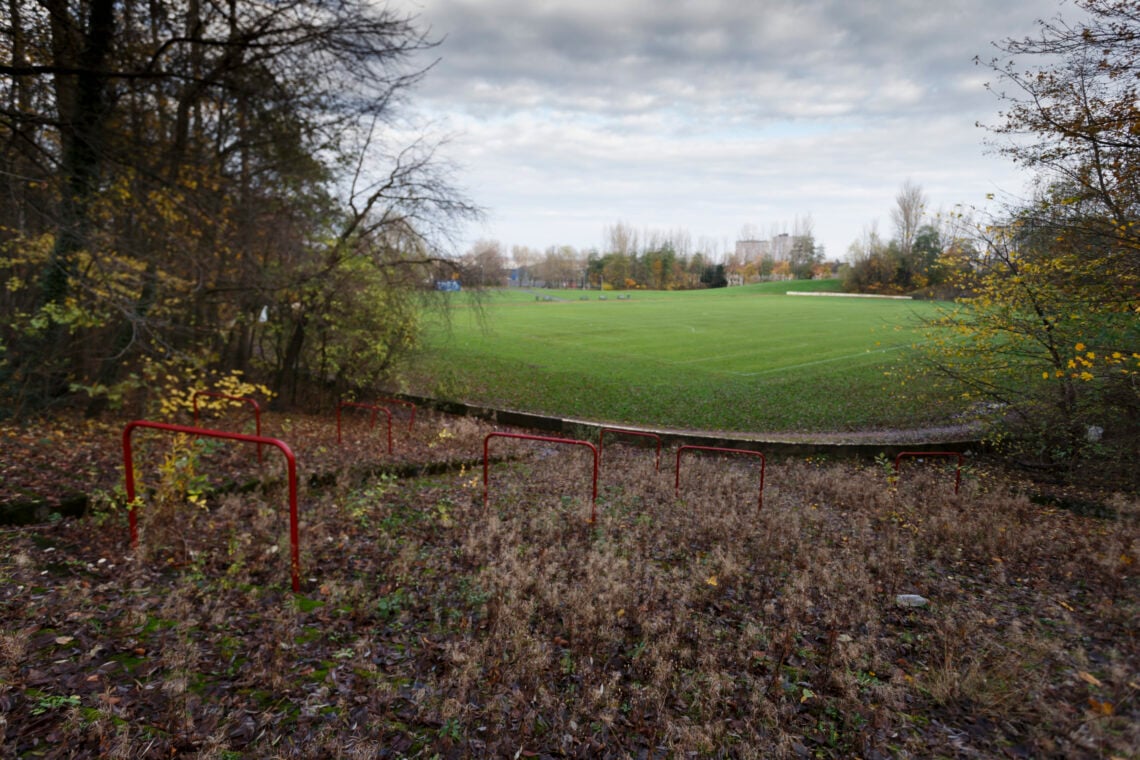


Cathkin Park is back in court, but this latest legal battle is about far more than a fence. Celtic’s own history is right at the heart of it.
Tomorrow’s hearing in Glasgow Sheriff Court centres on access to the famous site, with the Jimmy Johnstone Charitable Trust seeking an exemption that would allow a permanent boundary fence to be placed around the pitch.
One fact should not be forgotten. Cathkin Park is not an ordinary public park.
It is one of the most important football sites Scotland has ever produced, and one that carries its own place in Celtic’s history.
Thoughts on Martin O’Neill taking the blame for Maloney & Fozzy’s contract delay?
Are we buying this? Is O'Neill just protecting the board?
Celtic’s links make Cathkin Park far bigger than a local dispute
Last year, Historic Environment Scotland designated Cathkin Park as a scheduled monument, recognising the site’s importance as the home of Second Hampden and Third Lanark.
The Trust believes protecting the pitch is essential if more young people are to enjoy playing football there.
Few Celtic supporters would argue against that.
The Trust’s own argument also explains why Cathkin Park matters to Celtic supporters.
“The history of the site is the whole point,” Jim Simonette told The Herald.
“It’s where Jimmy Johnstone played as a youth for Glasgow Celtic. Jimmy McGrory made his debut for Celtic on this park.
John Thomson played his last game here three days before he died. Celtic won two Scottish Cup finals on here, Rangers won three Scottish Cup finals, Hibernian too.
All the Hibees came there before they won the last one at Hampden. Hearts won it here too, so it’s very historical.”
Why Cathkin Park’s future should matter to Celtic fans
Those Celtic links change the conversation for fans and the club.
Scotland has no problem celebrating its football history. Protecting places like Cathkin Park should be just as important.
There are two arguments to this debate. One side wants to protect public access. The other wants to protect the pitch. Neither objective should come at the expense of one of Scottish football’s most historic sites.
One of Scotland’s most important football sites should not need another court battle to decide its future. If Cathkin Park is as important as everyone says it is, Scotland should start treating it like it is.
Receive a digest of our best Celtic content each week direct to your mailbox