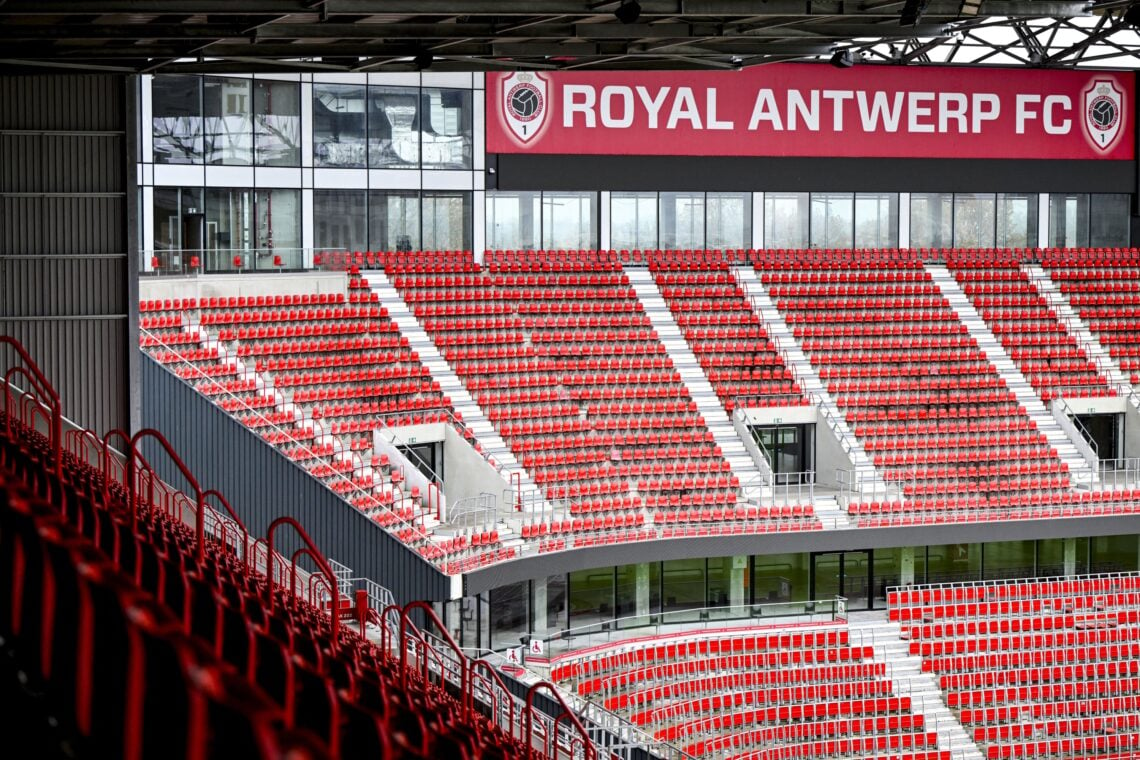


A pretty interesting takeover is nearing completion at Royal Antwerp in Belgium.
The Pro League club are about to move from essentially being a one-man club to a modern and multifaceted consortium model.
It’s often said that Celtic aren’t comparable to most clubs – Antwerp’s most recent annual revenue report had them at £77 million in 2025, roughly of that at Parkhead.
However, reports on their new ownership structure are hugely impressive, and absolutely of interest to fans who want change to Celtic’s.
Thoughts on the new Adidas away kit? Will you buy, or continue the Not Another Penny campaign?
Royal Antwerp’s situation, and how it compares to Celtic
Property tycoon Paul Gheysens bought Antwerp in 2017 and took a significantly different approach to Celtic’s current controlling shareholder, Dermot Desmond.
At first, things looked great for the Belgian club.
READ MORE: West Ham’s three Celtic targets named as Nils Koppen targets trio
Thanks to the heavy investment of Gheysens, the club enjoyed arguably the most successful period of their history, winning a first league title in 66 years and two Belgian Cups in the space of three years.
They also improved their stadium with a new stand, but more recently, Gheysens’ real estate empire ran into financial difficulties, causing them to borrow money to finance the stadium work.
His financial troubles have forced him to sell the club to a new consortium.
Reportedly led by ex-Anderlecht chairman Wouter Vanderhaute, the new regime consists of KBC Banking as the major investor as well as around 30 Belgian companies, Antwerp Port CEO Jacques Candermeiren and club legend Toby Alderweireld, who is said to have personally invested around €2 million.
This is where Celtic comparisons become appropriate.
In his time as owner, Gheysens had a reputation for bypassing his own executive to single-handedly make decisions, including the controversial appointment of Marc Overmars as director of football in 2023.
What’s the point of Celtic’s Academy?
Should Celtic just give it up as the club seem incapable of making the Academy work.
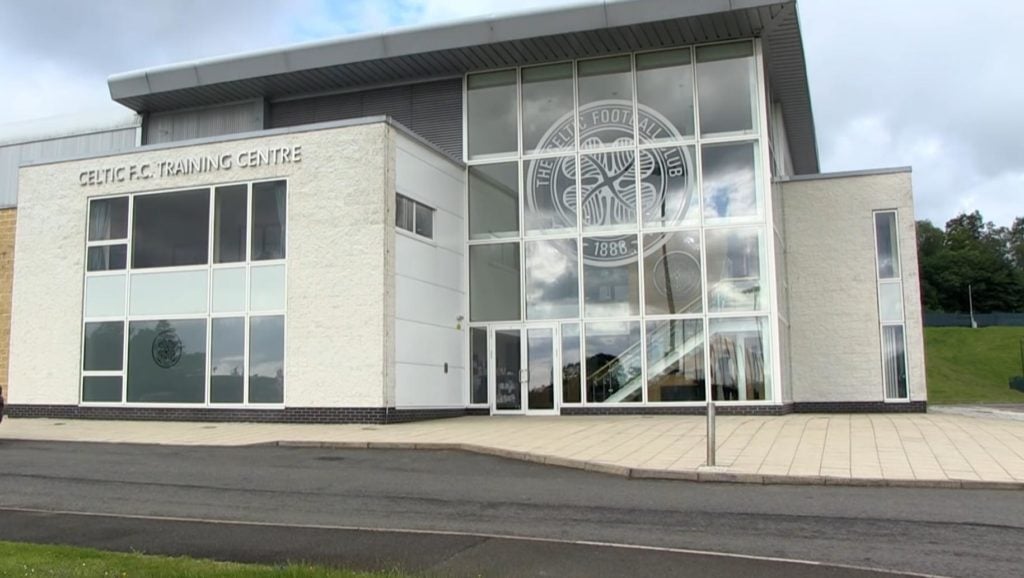
Not only is the new setup diverse in consisting of local businesses, football people and the outgoing CEO of the city’s publicly-owned port, but it will crucially have a much less dictatorial decision-making process.
It’s a takeover of the likes we are seeing less and less in 2026. Whilst undoubtedly similar to Celtic’s set-up on paper, it will look significantly more modern in practice given the active involvement of various experts and shareholders.
Desmond is Gheysens’ opposite in running Celtic as a self-sustaining asset, but he has alienated fans in exactly the same way by limiting the club’s potential with his risk-averse model.
Put simply: regardless whether a club is making money or not, one guy having all the decision-making power is rarely a good thing.
Antwerp can now look forward to a future as one of several Belgian clubs with a modern decision-making process centred around a player trading model.
Receive a digest of our best Celtic content each week direct to your mailbox