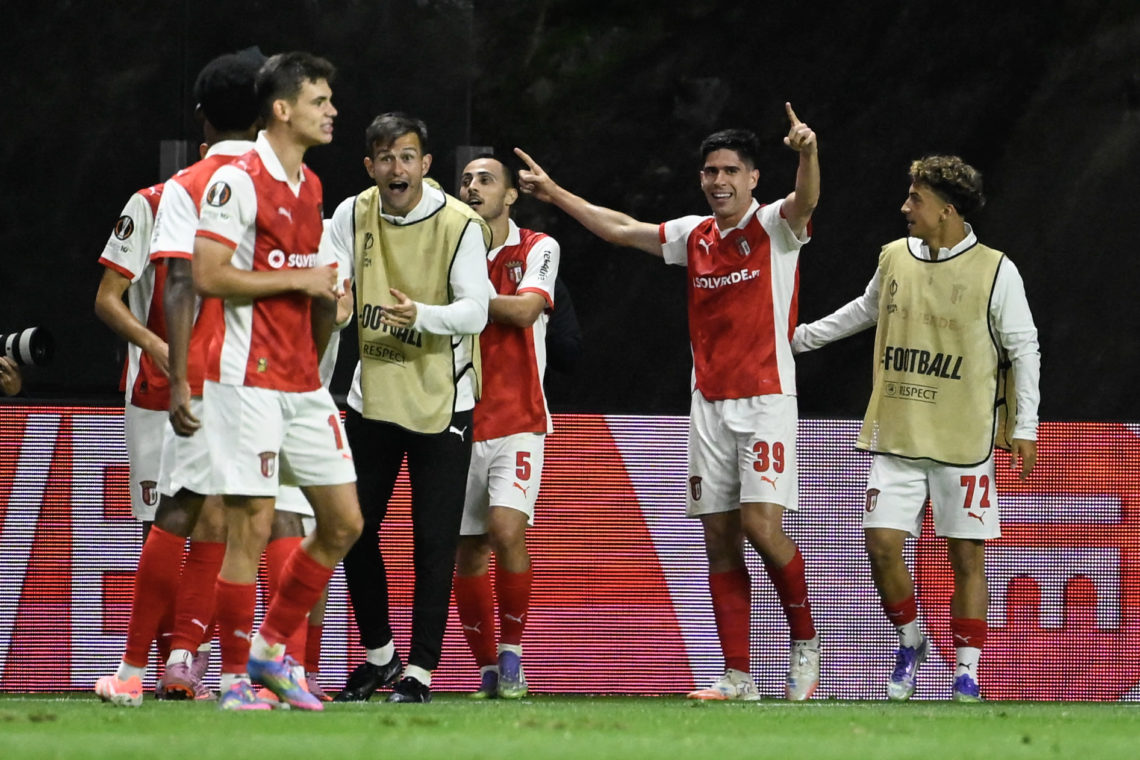


Celtic are back in Europa League action when they welcome Portuguese side SC Braga on Thursday night.
The Hoops drew 1-1 with Red Star Belgrade in their opening game of the competition before following that up with a disappointing goalless draw vs Hibernian.
Braga lost their league fixture against Nacional days after beating Feyenoord in their own Europa League game.
Former Celtic defender Gustaf Lagerbielke will return to Glasgow for the first time since he departed for Braga in the summer, and will hope to show Brendan Rodgers what he has missed out on.
Ahead of the game, here are four facts you should know about SC Braga.
- READ MORE: Kris Commons says Celtic could genuinely win the Europa League if they get one thing right
Braga originally used to wear green
Nowadays, Braga are best known for their red-coloured home kit, but that wasn’t their original choice.
Founded in 1921, Braga wore green but never encountered much luck before changing to the red in 1945.
The reason behind this change is because Jose Antunes Guimaraes, who was the president at the time, was a huge Arsenal fan and had travelled to London before deciding to change the colours.
Braga’s stadium has only two stands
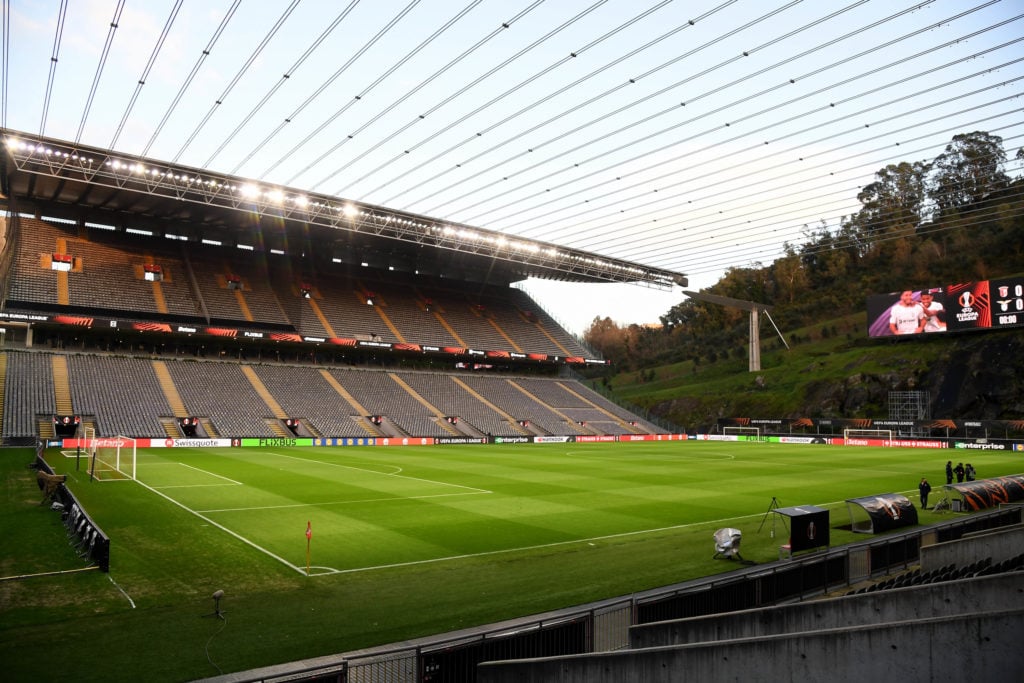
Anyone who is a fan of stadiums knows that Braga’s Estadio Municipal de Braga is one of the most iconic out there.
Built in 2003, their home stadium is unique as it only has two stands due to the natural landscape, meaning that the sides behind the goalposts cannot house supporters.
It can hold 30,286 fans and is the seventh largest stadium in Portugal.
What does Braga’s club logo mean?
Like most cities, Braga’s logo is a nod to their city itself.
The club logo is the coat of arms for the city, however, the blue has been substituted for the red and white.
It also features the Virgin Mary holding the baby Jesus dressed in Braga colours but to preserve some tradition, the club name is written in blue.

Braga reached the 2011 Europa League final
Like Celtic, Braga have managed to get all the way to the final of the Europa League and fallen to defeat.
They were involved in an all-Portuguese final against Porto but were beaten 1-0 courtesy of a Radamel Falcao goal.
It’s the only time that the club have reached the final, eight years after the Hoops lost the UEFA Cup final in Seville – also to Porto.
Receive a digest of our best Celtic content each week direct to your mailbox