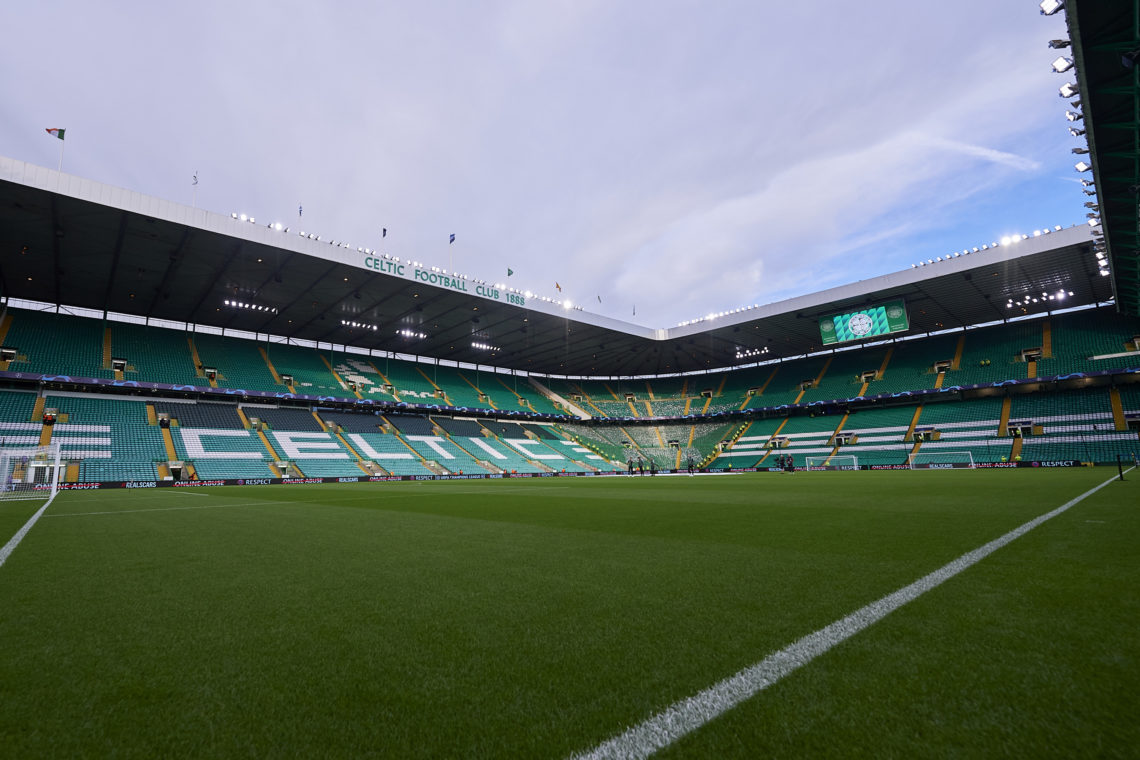


Celtic have posted a positive set of financial results to year-ended 30 June 2022, revealing that total revenue increased by a massive 45% up from the prior financial year.
Celtic earned £88.2m before costs, up from £60.2m in 2021. The club explain this as primarily due to coming out of the Covid-19 crisis. There were also record gains from player trading of £29m.
Operating expenses came in at £91.7m, a 23% increase on the year prior.
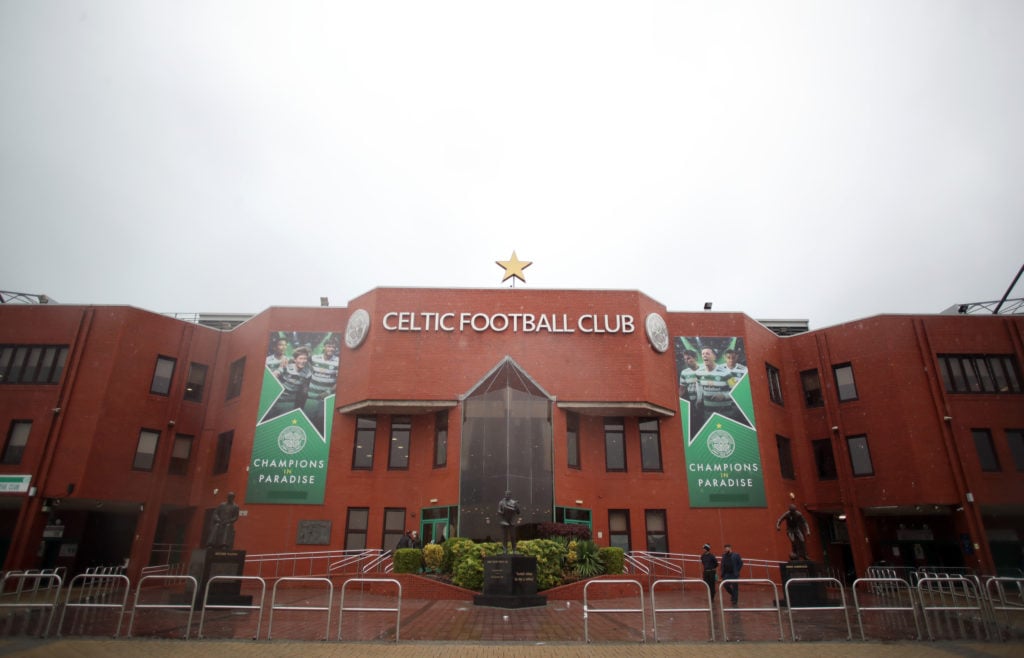
Profit before taxation has been announced as £6.1m, significantly up from the £11.5m loss in 2021. With a £30.2m cash balance net of bank borrowings, up from £16.6m a year prior, it’s clear that the club is in rude financial health – albeit season ticket sales in 2021 took place later in the summer.
It should also be noted that these results do not include the riches earned by the club for participation in this season’s UEFA Champions League, with money from UEFA starting to be paid this month.
In a statement, chairman Ian Bankier said: “These results for the year ended 30 June 2022 show that revenue increased to £88.2m (2021: £60.8m) with a corresponding profit before tax of £6.1m (2021: £11.5 loss before tax). The key driver of the revenue growth was the restoration of a more normalised trading environment as we emerged from Covid-19 and were able to operate at full stadium capacity for all but five matches at the beginning of the season, where crowd restrictions remained. This, along with record gains from player trading in the year, £29.0m (2021: £9.4m), ensured the delivery of the reported profit. The contribution of player trading gains, especially in Europa League years, ensures that we maintain a healthy and sustainable financial future. In terms of funding and liquidity, our year end cash, net of bank borrowings, was £30.2m (2021: £16.6m). The increase this year was principally due to the timing of season ticket sales taking place later in the summer of 2021.
“The Covid-19 surge over December 2021 to February 2022 was mitigated by the SPFL’s initiative to bring forward the winter break to minimise disruption and protect vital match day ticket income for Scottish football as a whole. As a result, our supporters were able to attend two more matches and we did not suffer any revenue attrition from closed door matches. Consequently, the second half financial performance and the reduction in earnings in this period can be attributed to trading seasonality and the timing of player trading gains that were weighted towards the first half of the financial year.”
It’s impressive that Celtic can be so successful on the pitch, while clearly spending and staying within its means off of it. From this position, it is crucial that the club continue pushing for domestic honours and European participation.
That will only help further boost the revenue earned by the club, which in turn can hopefully go into strengthening the squad and bettering the experiences of supporters.
More on all this as we digest what it means!
In other news, Mikey Johnston already making impact felt in Portugal after Celtic loan exit.
Receive a digest of our best Celtic content each week direct to your mailbox