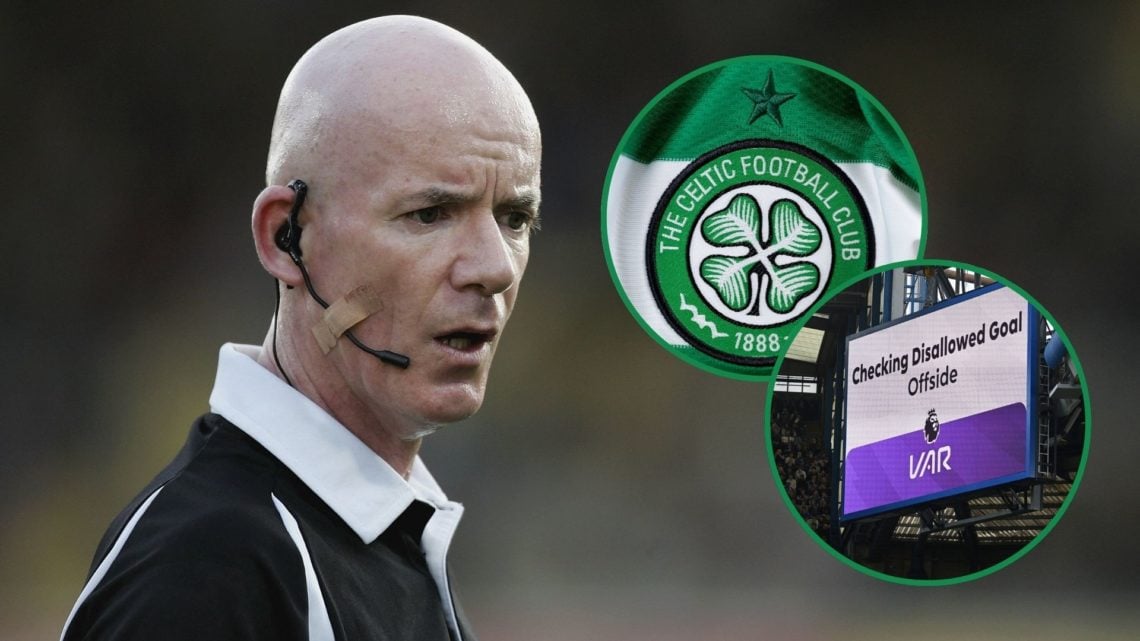


Celtic steamrolled to three points against Kilmarnock over the weekend.
By the time the clock hit the half-hour mark, the game was done and dusted because Celtic had four goals to their name, including a stunning Cameron Carter-Vickers strike.
Even though it was a walk in the park for the champions-elect, the game was still discussed by former referee, Dermot Gallagher, on his weekly Sky Sports show on Ref Watch.
| Position | Team | Played MP | Won W | Drawn D | Lost L | For GF | Against GA | Diff GD | Points Pts |
| 1 |  CelticCeltic CelticCeltic | 33 | 26 | 3 | 4 | 97 | 22 | 75 | 81 |
| 2 |  RangersRangers RangersRangers | 33 | 20 | 6 | 7 | 68 | 35 | 33 | 66 |
| 3 |  HibernianHibernian HibernianHibernian | 33 | 14 | 11 | 8 | 54 | 41 | 13 | 53 |
| 4 |  Dundee UtdDundee Utd Dundee UtdDundee Utd | 33 | 14 | 8 | 11 | 41 | 40 | 1 | 50 |
Despite Celtic netting five, Adam Idah didn’t get on the scoresheet, after he came back into the XI following the team’s horror show against St Johnstone the week before.
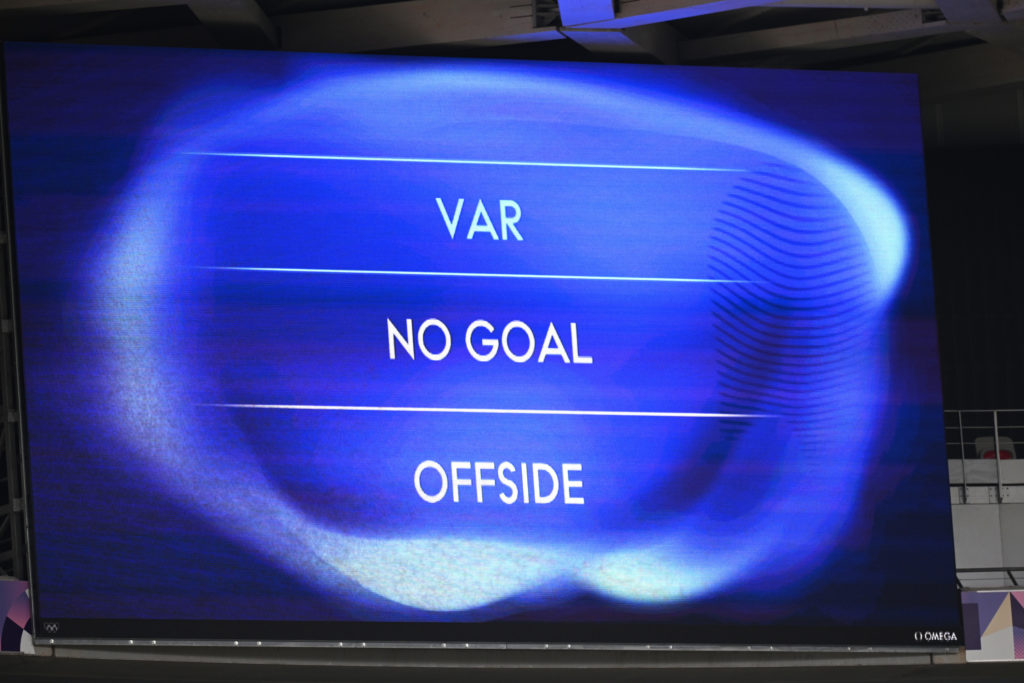
But Idah did have a goal ruled out for offside, which was a very tight call by the linesman, and backed up by VAR.
Unlike in England and the Premier League, where semi-automated offside was used for the first time this weekend, those in Scotland are still using officials to draw up lines at Clydesdale House, but could that change?
Dermot Gallagher responds to whether the SFA would use semi-automated offside in Scotland
VAR itself is divding opinion, and whilst those across Europe can financially take the pain, the same can’t be said for those in Scotland.
For clubs outside the likes of Celtic, it’s a big burden on their finances, and Gallagher stated that semi-automated offside in Scotland all depends on ‘what they have got in the kitty’, as he told Sky Sports News.
At least with the semi-automated offside, it’s black and white, it quickens things up, and there isn’t human error involved.
“You can understand why the assistant doesn’t see it because it is so tight,” said Gallagher about Idah’s offside goal.
“VAR in Scotland, that’s what it is for. They have got VAR, at the moment, rather than semi-automated offside.”
Gallagher was then asked: “Do you expect that to come into Scotland?”
And the ex-referee responded: “Depends on budget, doesn’t it?! It’s not a cheap process. It depends on what they have got in the kitty.
“VAR is slightly less comprehensive than they have in England.”
How much do Celtic and the Premiership teams pay for VAR?
The majority of the financial burden, to pay for VAR and everything that goes with it, falls on the lap of the winners of the Premiership.
With Celtic dominting and easing to titles, they are the ones paying the most money, compared to the rest of the teams, for VAR and its use.
As posted by Sky Sports, Premiership clubs, in total, pay around ‘£1.2m per season’ for VAR, with the winners putting £195k per season into the kitty.
The team finishing bottom of the pile – that looks like it will be St Johnstone this season – puts around ‘£67k’ on the table.
Receive a digest of our best Celtic content each week direct to your mailbox