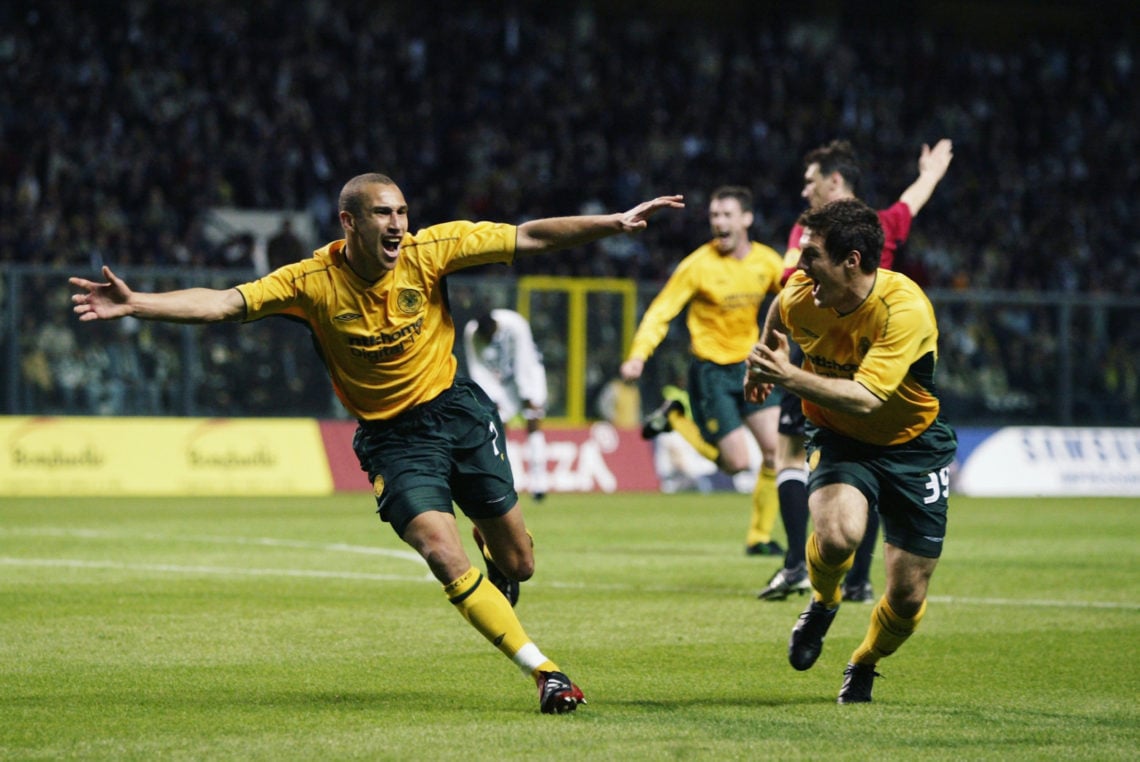


Celtic’s UEFA Cup tie against Boavista in 2003 was one of the most memorable in the club’s history.
Martin O’Neill’s side had knocked out Blackburn, Stuttgart and Liverpool on the way to the semi-finals of the tournament, and only the plucky Portuguese side stood between them and the final in Seville.
It was a nervy 180 minutes of football. The first leg at Celtic Park finished 1-1 after a Joos Valgaeren own-goal was immediately pegged back by Henrik Larsson.
And in the decisive second leg in Portugal, Larsson scored one of the most famed goals of his Hoops career to secure the trip to Seville.
22 years after the Celts denied them a European final against city rivals Porto, Boavista have now reached the point of liquidation. But how did this happen?
How Boavista were liquidated, 22 years on from Celtic tie
The UEFA Cup tie came two years after Boavista won their first (and only) Portuguese title in 2001. They finished as runners-up the following year, in what was undoubtedly their golden era.
But just over two decades later, things look very different.
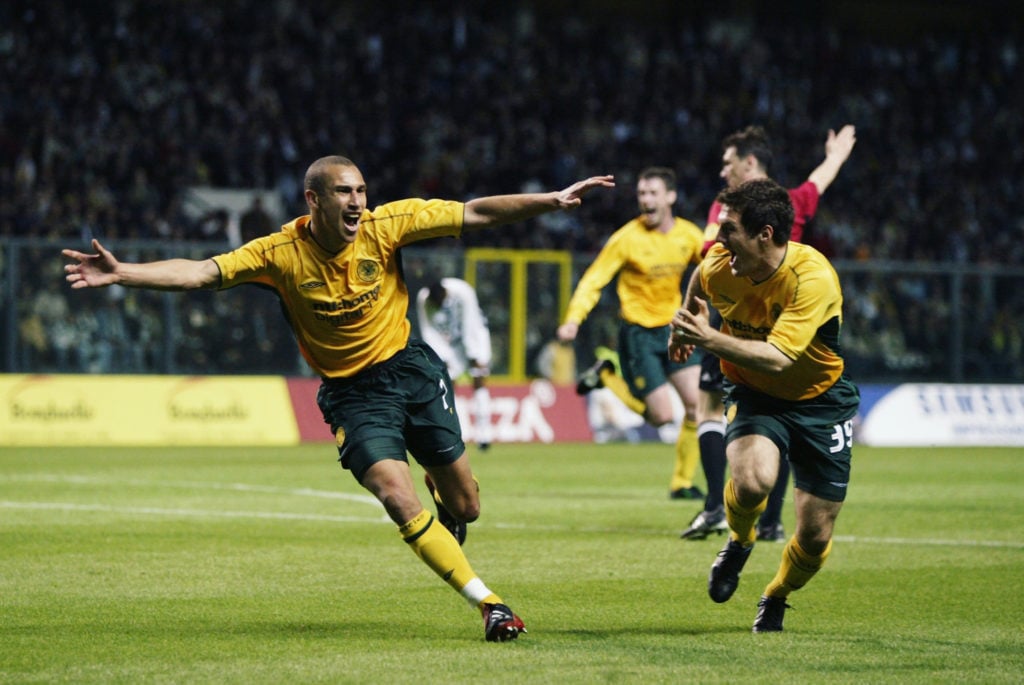
The club were relegated from the Liga Portugal after a rock-bottom finish last season, but that was the least of their troubles.
Boavista owner Gerard Lopez has one of the worst portfolios of any investor in football. The two other clubs he has owned – Bordeaux and Mouscron – have both also seen relegations and financial crises during his involvement. The French side are currently rebuilding from the amateur leagues.
For the Portuguese club, unpaid salaries led to legal action from some former players, as it became clear that Lopez did not have the financial resources to sustain their status.
Police raided Boavista’s headquarters in July, seizing documents amid suspicions of tax fraud, money laundering and other financial crimes.
The Portuguese FA rejected the club’s “special revitalisation plan” after their relegation, due to a lack of financial guarantees. As a result, the club were denied participation in the second tier, eventually losing professional status altogether and being demoted to the regional fifth tier.
Unable to field a competitive team or sustain operations, Boavista withdrew from the league last month after incurring losses, and have now been recommended for liquidation by a creditors’ committee.
It’s a sad situation, especially given that Lopez clearly should never have been allowed to get his hands on the club.
What now for ex-Celtic opponents Boavista?
Whenever we see a big football club go out of existence, a phoenix club tends to emerge from somewhere.
English clubs Bury and Macclesfield Town have both gone bust in recent years, highlighting the issues with modern owners not following through on their promises.
Of course, Celtic fans will be more familiar with what happened across in the other side of Glasgow in 2012 – a completely different situation altogether.
It’s much easier to feel sympathy for Boavista, a smaller club who have gone from a healthy position to liquidation in just five chaotic years.
Receive a digest of our best Celtic content each week direct to your mailbox