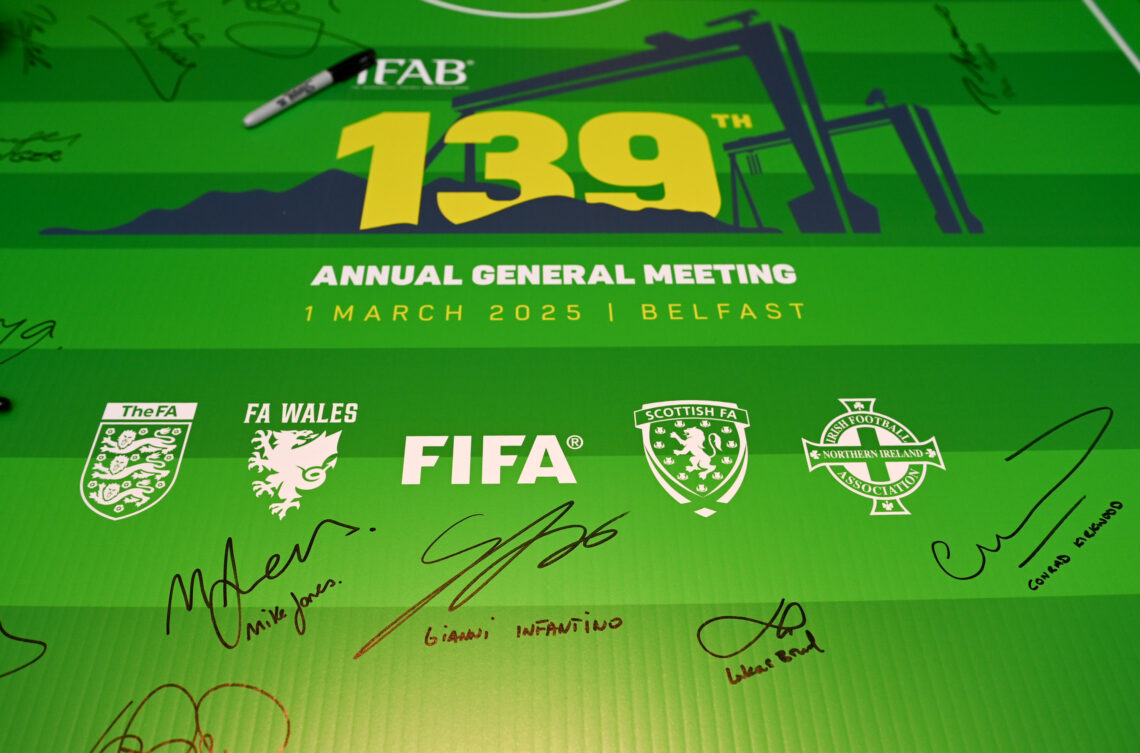


IFAB have confirmed a series of rule changes for the 2026/27 season that will directly impact match tempo and officiating, creating changes that could directly benefit Celtic in two key areas next season.
The IFAB rule changes for the 2026/27 season are designed to speed the game up and reduce decision-making errors.
That focus reflects what Celtic deal with every week, where frustration around time wasting has already been a recurring theme in domestic fixtures.
The added time debate around Celtic matches shows how closely these issues are already tied to what fans watch every single week with frustration.
VAR in Scottish football: incompetent refs, bad technology or both?

Celtic set to benefit from IFAB crackdown on time-wasting
The rule changes introduce stricter time limits on restarts and tighter control over stoppages, targeting delays that disrupt attacking momentum.
Key changes include:
- Five-second countdown for throw-ins, with possession overturned if exceeded
- Five-second countdown for goal kicks, with a corner awarded if exceeded
- Ten-second limit for substituted players to leave the pitch
- Goalkeeper enforcement for holding the ball too long
- Mandatory one-minute absence for players treated on the pitch
These are not minor adjustments, they directly remove the ability to slow games down in the way Celtic regularly face.
For a team built on sustained pressure and territorial dominance, faster restarts mean fewer interruptions and more continuous attacking phases.
VAR expansion addresses refereeing calls that have gone against Celtic
Alongside the time-wasting crackdown, expanded VAR powers aim to correct specific decision types that have already proven costly.
Officials will now be able to review incorrect second yellow cards, mistaken identity, and certain restart decisions under expanded VAR powers.
The controversial Celtic red card decision highlighted how limited current review options can be in real scenarios.
That type of call sits directly within the scope of the new rules, which are designed to eliminate clear and correctable errors.
The impact is straightforward, fewer incorrect dismissals and more accurate decisions in decisive moments.
For Celtic, that means fewer matches shaped by refereeing errors or misses that cannot currently be reviewed.
Combined with faster gameplay, the changes remove two persistent barriers, disruption and inconsistency.
Celtic do not need rule changes to improve, but these ones remove obstacles that have repeatedly worked against them.
Receive a digest of our best Celtic content each week direct to your mailbox