

The long-awaited statement from Police Scotland regarding the recent events at Ibrox after Celtic beat Rangers arrived, but for the Hoops support, it raises far more questions than it answers.
The Ibrox chaos saw a Rangers fan attack a Celtic coach, lob flares at the away Hoops support, and even an attempted assault on Julian Araujo was witnessed.
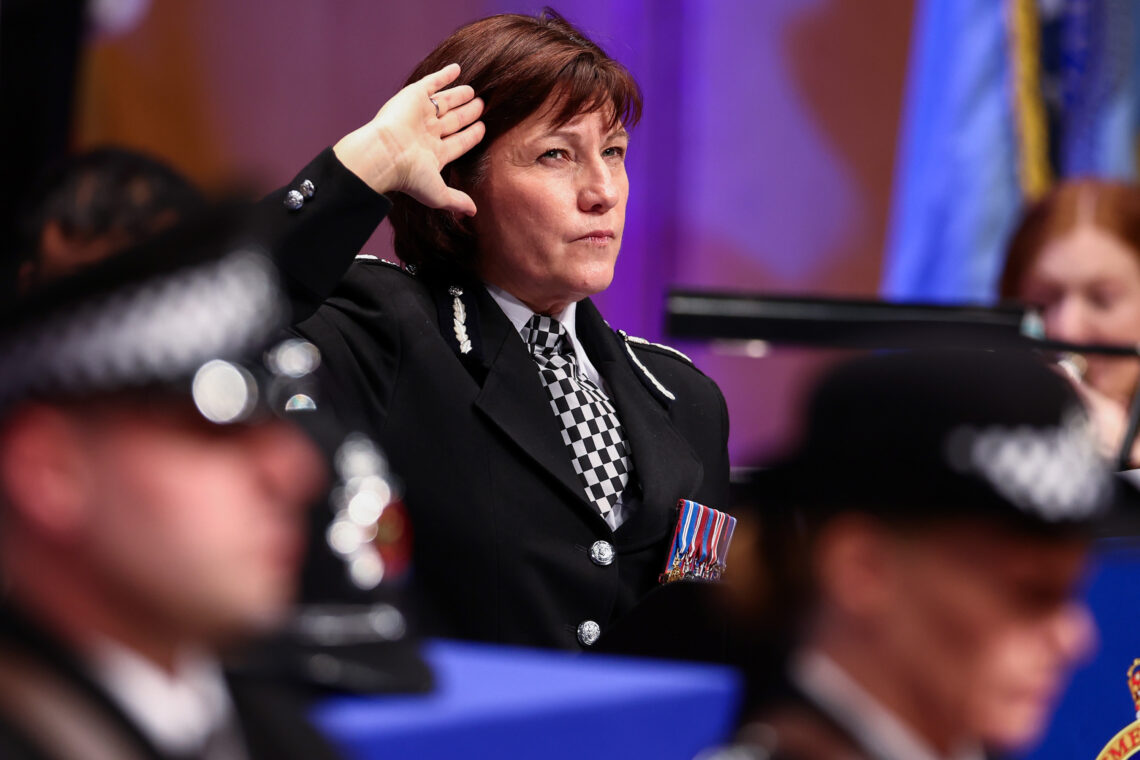
While Celtic and Rangers are yet to comment, Chief Constable Jo Farrell of Police Scotland has, and her statement on the events below will disappoint the Hoops support.
By glossing over critical safety failures and systemic targeting, the official narrative feels less like a report and more like a deflection. Here is why the statement fundamentally fails the Celtic support.
- READ MORE: James Tavernier ‘broken’ by Celtic defeat as Rangers TV man shares Ibrox dressing room insight
How can we ensure that the Glasgow derby can continue having full allocations after the latest incident?

The silence on the attack of a Celtic coach
One of the most jarring omissions is the lack of any meaningful mention regarding the physical assault on a member of the Celtic coaching staff.
In any other workplace, an assault resulting in injury or even an attempted assault would be the focal point of an investigation and statement.
By failing to highlight this specific act of violence, the statement inadvertently glosses over what has been the third attack on Celtic fans and staff inside Ibrox in as many years.
Failure to address who caused the Ibrox violence
The narrative provided by the authorities seems to favour a both sides approach that ignores the clear reality of the day.
Whilst many Celtic supporters will acknowledge that fans should not have run onto the Ibrox turf, the incitement of violence from sections of the Rangers support that preceded the chaos was a disgrace.
When the governing bodies and police refuse to call out the real aggressors, they effectively shield those responsible from accountability.
One set of fans celebrated and wrongly allowed emotions to overrule sense, but another set of fans ran 200 yards, already prepared with balaclavas, and had a clear intent to attack another fanbase.
The kettling of Celtic fans and lack of stadium presence
Perhaps most concerning for those in the ground was the tactical decision-making regarding fan movement outside it.
Celtic fans were subjected to kettling outside the stadium and were told to assemble a full three hours before the Ibrox kick-off to ensure safe entry into the stadium.
The kettling, a high-pressure tactic that often creates tension, used a sizeable police presence in key areas outside the ground, when there was a clear lack of numbers inside.
The statement offers no accountability for this breakdown in the policing plan. Fans deserve to know why they were treated like a security risk outside the turnstiles while being left unprotected inside them.
Receive a digest of our best Celtic content each week direct to your mailbox