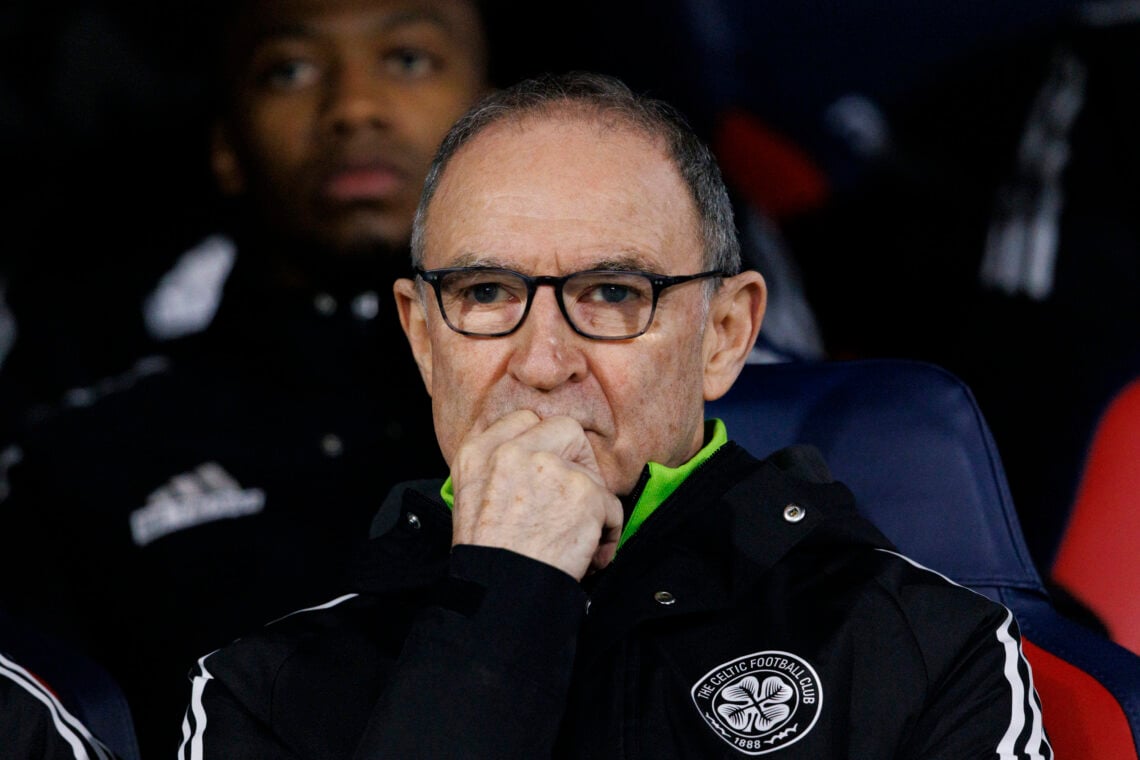


Martin O’Neill has not been nominated for the PFA Scotland manager of the year award, and Celtic supporters have every right to question that decision.
The shortlist has recognised strong work across Scottish football, with Derek McInnes, John McGlynn and Gary Naysmith all in contention for the PFA Scotland manager of the year award.
There is no need to dismiss any of those candidates to make the Celtic argument. McInnes has Hearts in a title fight, McGlynn has carried Falkirk into the top six, and Naysmith has Stenhousemuir pushing for promotion.
The problem is not who made the list. The problem is that O’Neill did not.
- READ MORE: Martin O’Neill’s end-of-season record is the reason why Celtic should be favourites for the title
Should Martin O’Neill have been nominated for the PFA Scotland manager of the year?

Martin O’Neill had a case that should have been recognised
O’Neill has had two interim spells in charge of Celtic this season. That alone makes his campaign unusual, but the stronger point is what Celtic can still achieve under his watch.
The 74-year-old could yet end the campaign with a league and Scottish Cup double. That is not a minor detail in an award conversation that is supposed to recognise managerial impact.
No Celtic manager has won more points than O’Neill this season, and, had he been in charge for the whole campaign, the Hoops’ average of 2.47 points per game would see them leading the Scottish Premiership table comfortably.
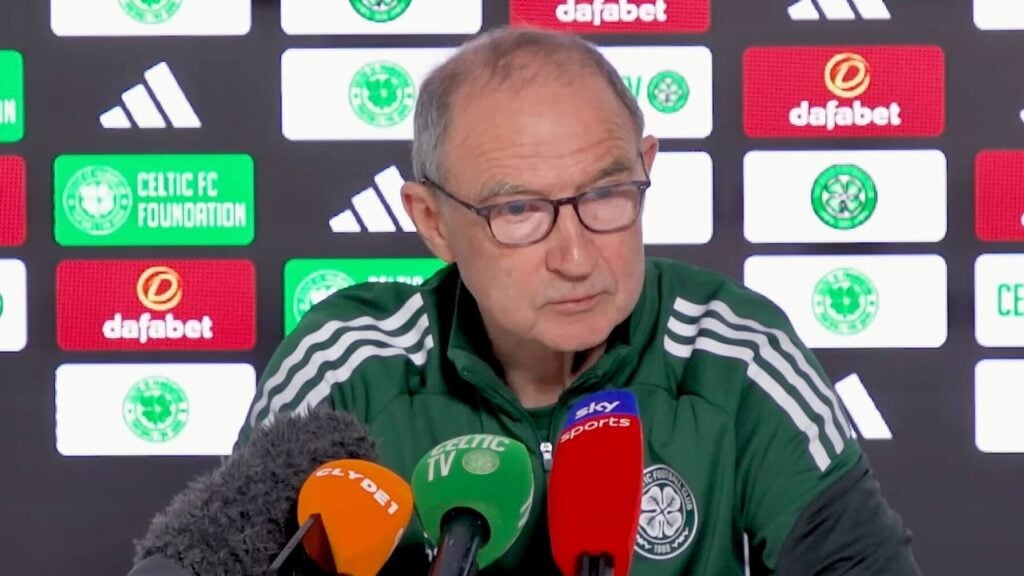
There is no soft version of the Celtic job. Every match comes with expectation, every dropped point becomes a debate, and every selection is measured against the demand to win trophies.
O’Neill stepped back into that environment and kept Celtic in position to finish the season with major silverware. That should have been enough to put him among the nominees.
Celtic success should not be treated as automatic
The easy counter argument is that Celtic are expected to win. That is true, but it is also too simple.
Expectation does not manage a dressing room. It does not steady a season, protect momentum, or keep a trophy push alive through managerial disruption.
O’Neill’s first spell at Celtic from 2000 to 2005 gives him status, but this should not be a nostalgia argument. His case stands on this season, not on old memories.
The award shortlist contains credible managers with credible achievements. McInnes, McGlynn and Naysmith have all produced seasons worthy of respect.
Yet O’Neill’s omission still feels like a blind spot. If Celtic complete the double, it will be difficult to argue that their interim manager did not belong in the conversation.
That is the point Celtic supporters are entitled to make. O’Neill did not have to win the award, but he should have been nominated.
Receive a digest of our best Celtic content each week direct to your mailbox