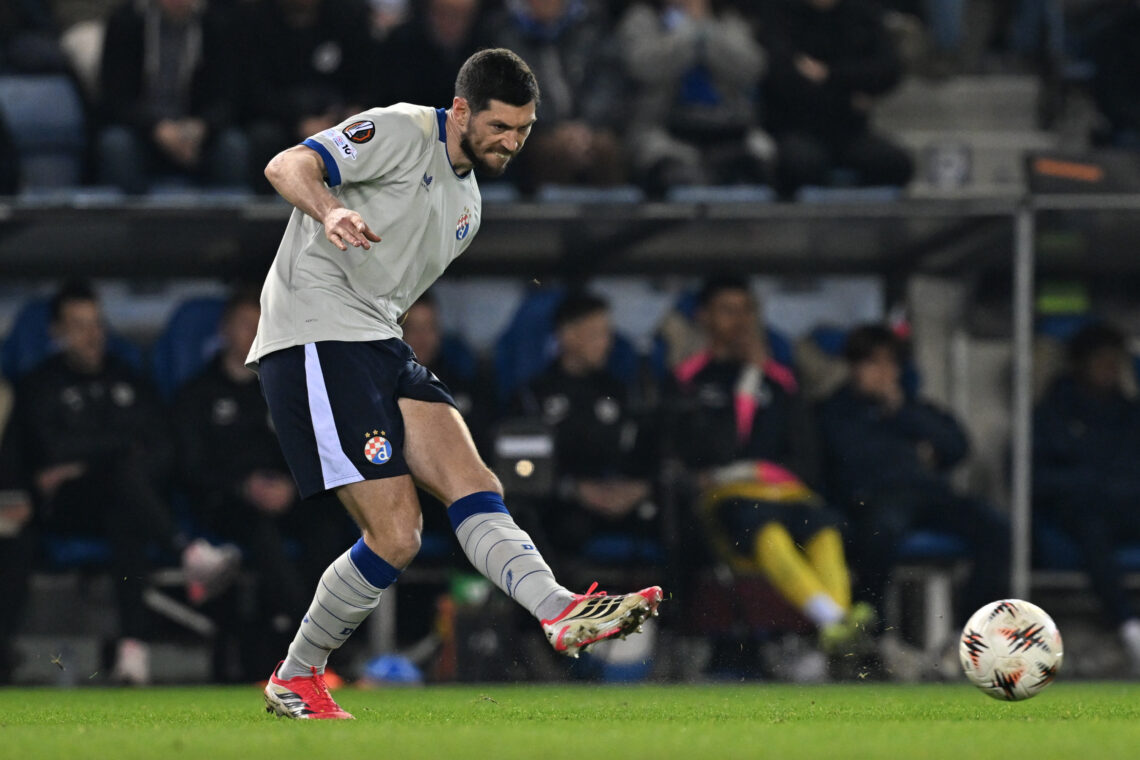


Scott McKenna’s title-winning impact at Dinamo Zagreb could be bad news for Celtic when it comes to a potential move for him this summer.
Dinamo were crowned champions of the Croatian top flight after beating Varazdin, keeping their lead at the top of the table to 15 points.
McKenna has been linked with Celtic as a possible return to Scotland has been mentioned. Dinamo reportedly want £10m for the defender, but this title win may add a few extra million to that figure.
How does this rumour sound to you?

Scott McKenna played a direct role in Dinamo Zagreb title win
McKenna’s role in the title run was not peripheral. He assisted in the 2-1 win that clinched the title, underlining his involvement at the decisive moment.
He has been virtually ever-present since joining from Las Palmas last summer, and is a big reason behind why Croatia’s most successful club has continued their hot streak.
This is also his first major honour at the age of 29, and a moment that has been a long time coming.

A £10m valuation now looks like a starting point, not a ceiling
Celtic are already in the frame, with enquiries made for McKenna as attention builds ahead of the summer window.
However, Dinamo Zagreb’s position has been clear. Offers around £10m were rejected, establishing a firm baseline before the title was secured.
The timing is significant because that valuation was set without the final confirmation of success. Now that McKenna has contributed to a title win, the same figure carries different weight.
Dinamo are also preparing for the possibility of a departure, but from a position of control rather than pressure. That allows them to dictate terms rather than respond to them.
Receive a digest of our best Celtic content each week direct to your mailbox